3D Layered Hearts Window Shadow Box Card
In a world saturated with flat, mass-produced greeting cards, the desire to create something tangible and memorable is stronger than ever. The 3D Layered Hearts Window Shadow Box Card offers a sophisticated solution for crafters and communicators who want to elevate their handmade projects. This specific design is not just another template; it is a structural innovation that simplifies the creation of deep, dimensional art without requiring advanced engineering skills or expensive machinery. By integrating the box structure and internal layers into a single cut file, this design streamlines the workflow from concept to finished product.
The appeal of this project lies in its balance between complexity and accessibility. It allows adults ranging from hobbyists to professional stationery designers to produce gallery-quality pieces that stand out on a mantel or desk. Whether you are preparing for Valentine's Day, an anniversary, or simply wish to express gratitude in a unique way, understanding how to leverage this specific shadow box format can transform your creative output.
Simplifying Complex Dimensional Structures
One of the most significant barriers to creating 3D paper art is the assembly process. Traditional shadow boxes often require cutting separate panels for the front, back, and sides, followed by intricate gluing and taping. This method is time-consuming and prone to alignment errors. The 3D Layered Hearts Window Shadow Box Card addresses this friction directly through its integrated design philosophy.
This design features one piece cut for the box itself plus the inside layers. This consolidation means that once the material is cut, the structural integrity is already planned. The assembly relies on a clever accordion fold mechanism along perforated lines. Instead of wrestling with loose tabs and adhesives, you simply fold the two sides of the box in an accordion style. Then, you fold the bottom of the box to close it, creating a stable base immediately.
For the busy professional or the parent crafting after work, this efficiency is crucial. It reduces the active assembly time significantly, allowing more energy to be spent on personalization rather than construction. The result is a sturdy frame that holds its shape perfectly, ready to house your chosen message or imagery.
Mastering the Accordion Fold Assembly
The core mechanic of this card is the accordion fold, which serves as both the structural support and the housing for the layered content. To assemble the shadow box effectively, precision in folding is key. After cutting the single-piece file, locate the perforated lines on the two sides of the box. Folding along these lines creates the depth necessary for the "window" effect.
Once the sides are folded, the next step is to secure the foundation. You fold the bottom of the box to close it, ensuring the corners meet cleanly. At this stage, the box is essentially a hollow container. The magic happens when you insert the inside layers into the accordion fold parts. These pre-cut layers slide neatly into the crevices created by the folds, locking them in place without the need for excessive glue. Finally, you close the box by folding the top tab, which acts as a secure lid while maintaining the aesthetic of an open window.
This method ensures that the layers remain suspended at varying depths, creating a true 3D effect. For those new to papercrafting, this guided assembly process reduces the learning curve. It eliminates the guesswork often associated with spacing layers manually, ensuring a professional finish every time.
Customizing with Depth and Personal Touches
While the structure provides the framework, the true value of the 3D Layered Hearts Window Shadow Box Card lies in its customization potential. The design invites you to decorate the shadow box 3D card as you wish, turning a standard template into a bespoke piece of art. One of the most powerful ways to personalize this card is by inserting a picture.
Because the design functions as a deep layered edge frame, it is perfect for showcasing small photographs. Imagine placing a cherished photo of a couple in the deepest layer, surrounded by hearts that recede toward the viewer. This creates a visual narrative where the image is the focal point, protected yet highlighted by the surrounding elements. The "window" aspect allows light to play across the layers, adding dimension that a flat photo frame cannot achieve.
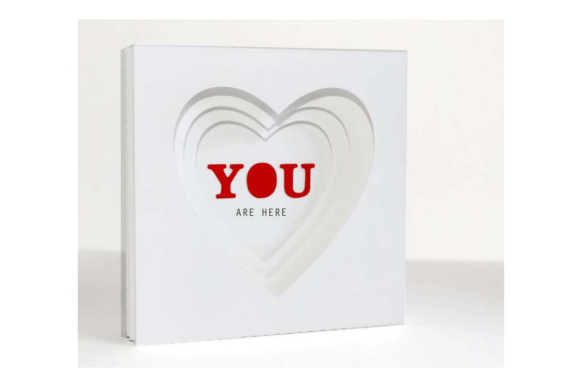
The file also includes the word You, providing a subtle but impactful starting point for your message. This inclusion saves time on typography layout and ensures the text is sized correctly for the shadow box dimensions. However, the design does not limit you to this single word. You can layer additional sentiments behind the "You" or use the space to add texture with patterned paper, ribbons, or embossed details.
Practical Applications for Creators and Professionals
The utility of this card extends beyond simple gift-giving. For small business owners and entrepreneurs in the greeting card market, this design represents a scalable product opportunity. The ability to produce a high-end looking item quickly allows for better inventory management and faster turnaround times during peak seasons like holidays.
- Wedding Favors: Couples can use this design to create keepsakes for guests, inserting a small photo from their engagement or wedding day.
- Celebratory Gifts: Educators and mentors can use these boxes to recognize student achievements, framing a certificate snippet or a photo of the class.
- Marketing Materials: Marketers can adapt the concept for physical mailers, using the window to reveal a QR code or a special offer, making direct mail campaigns more engaging.
For freelancers and bloggers, mastering this technique adds a valuable skill set to your portfolio. It demonstrates an ability to blend digital design with physical craftsmanship. When you showcase these cards in social media posts or blog tutorials, the visual impact of the 3D layers drives higher engagement rates compared to flat images.
Strategic Considerations and Limitations
While the 3D Layered Hearts Window Shadow Box Card offers numerous advantages, it is important to consider the materials and tools required to maximize its potential. Since the design relies on precise cuts and folds, the choice of paper weight is critical. Using paper that is too thin may result in a flimsy structure that collapses under the weight of photos or decorations. Conversely, cardstock that is too thick might resist the accordion folds, leading to cracking or misalignment.
A medium-weight cardstock, typically around 65 to 80 lb cover weight, usually strikes the best balance. Additionally, because the design features a single cut for the box and layers, you must ensure your cutting machine has sufficient blade strength and pressure settings to handle the continuous cut path without snagging.
Another consideration is the shipping logistics if you plan to sell these cards. Unlike flat cards, shadow boxes occupy more volume and are more susceptible to crushing during transit. If you are a seller, investing in rigid packaging or offering local pickup options may be necessary to maintain the quality of the final product. For personal use, however, these limitations are minimal, and the ease of assembly far outweighs the minor adjustments needed in material selection.
Enhancing Communication Through Design
Ultimately, the goal of any greeting card is to communicate emotion and connection. The 3D Layered Hearts Window Shadow Box Card achieves this by engaging the recipient visually and tactilely. When someone receives a card they have to unfold and explore, the interaction takes longer and feels more significant. This extended engagement increases the likelihood that the sentiment will be remembered.
The inclusion of the word You within the design serves as a psychological anchor, immediately focusing the recipient's attention on themselves. It transforms a generic "Happy Valentine's Day" into a personal declaration. By combining this textual element with the visual depth of the layered hearts and the option to include a personal photograph, you create a multi-sensory experience that resonates deeply.
Whether you are a seasoned crafter looking for efficient templates or a beginner eager to make a lasting impression, this design offers a practical pathway to success. It removes the technical hurdles of 3D crafting while leaving ample room for artistic expression. In a digital age, the effort invested in a physical, hand-assembled object speaks volumes about the sender's care and dedication.