Celebrating Neurodiversity with the It's Ok to Be Different 3D Paper Craft
In an era where visual communication plays a pivotal role in social advocacy, the intersection of digital design and tangible artistry has created new opportunities for meaningful expression. The It's Ok to Be Different 3D Paper Craft stands as a prime example of how modern crafting tools can be leveraged to support global causes like World Autism Awareness Day. This layered, square paper-cutting template transforms a simple message into a multi-dimensional statement, offering creators a sophisticated way to honor neurodiversity while engaging in a hands-on artistic process.
The Evolution of Advocacy Through Layered Art
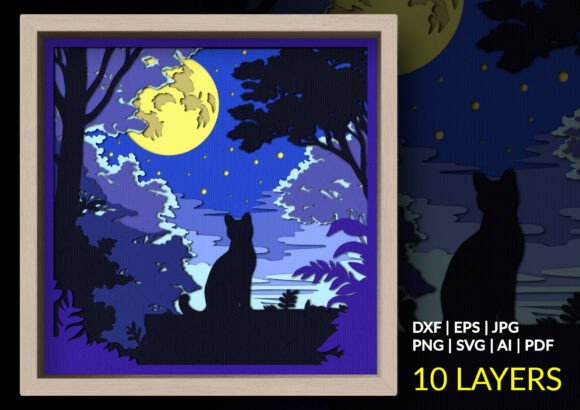
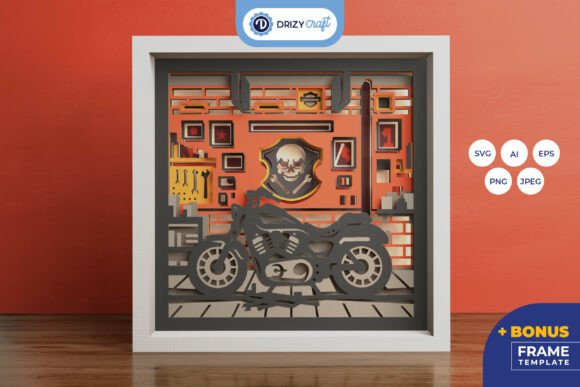
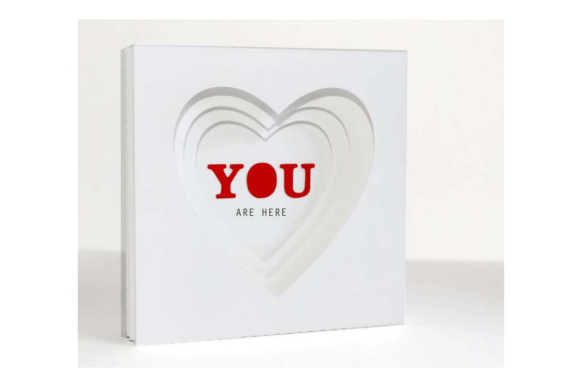
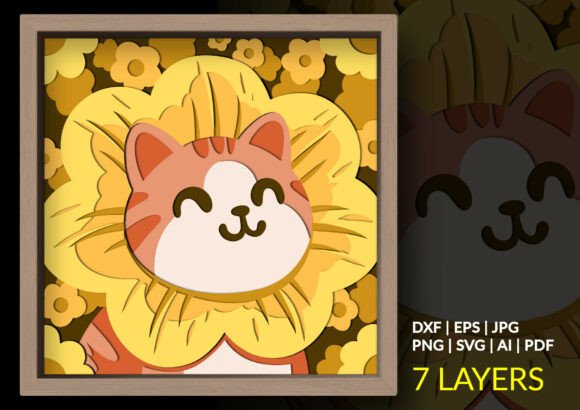
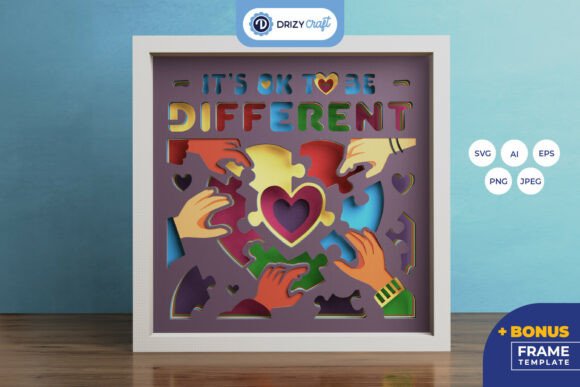
Advocacy art has evolved significantly from static posters to dynamic, interactive installations. The concept behind the World Autism Awareness Day 3D Shadow Box is rooted in the idea that depth represents complexity. Just as the human experience is not one-dimensional, the layers of this craft reflect the multifaceted nature of autism and the broader spectrum of neurodivergent experiences. By utilizing a 10-layer structure within a compact 20.32×20.32 cm frame, the design achieves a profound sense of perspective that flat imagery cannot replicate.
This approach allows the message "It's Ok to Be Different" to resonate more deeply with viewers. When light interacts with the varying depths of the cut-out paper, it creates shadows and highlights that shift depending on the viewing angle. This dynamic quality mirrors the unique ways individuals perceive and interact with the world, making the artwork a subtle yet powerful metaphor for acceptance and understanding.
Technical Specifications and Design Flexibility
For professionals and hobbyists alike, the technical precision of the template is a key advantage. The design is provided in multiple high-resolution formats, including AI, EPS, PNG, SVG, and JPEG. The core vector files are sized at 714 x 714 px, ensuring crisp edges when scaled, while the JPEG preview offers a high-quality reference at 3000 x 2000 px. This versatility ensures that whether you are working with professional-grade cutting machines or manual tools, the integrity of the design remains intact.
The inclusion of SVG files is particularly significant for the modern maker community. These files are fully compatible with industry-standard cutting machines such as Silhouette and Cricut. Users can import the file directly into their software, resize it while maintaining the aspect ratio, and execute precise cuts with minimal effort. However, the design is not exclusive to digital fabrication. For those who prefer traditional methods, the templates are equally suitable for use with art knives and scissors, allowing for a tactile connection to the creation process.
Workflow: From Digital File to Physical Masterpiece
Creating a shadow box involves a specific workflow that blends digital planning with physical assembly. The process begins with selecting the appropriate paper stock. While the preview images provide a guide, it is important to note that final product colors may vary slightly due to lighting sources and the specific hue of the paper chosen. This variability adds a unique signature to each piece, ensuring that no two creations are exactly alike.
Once the materials are prepared, the cutting phase commences. If using a machine, the SVG file is loaded, and the machine executes the cuts layer by layer. Manual cutters must exercise patience and precision, following the intricate lines of the 10 distinct layers. After cutting, the assembly phase requires careful alignment. Using glue or double-sided tape, each layer is stacked sequentially. The spacing between layers is crucial; it determines the depth perception and the overall aesthetic impact of the shadow box.
For those aiming to create a lightbox effect, the integration of LED strips is the next critical step. Placing LED strips between specific layers or along the back panel illuminates the design from within. This technique enhances the contrast of the paper cuts and brings the "It's Ok to Be Different" message to life with a warm, inviting glow. The result is a framed wall decoration that serves as both a piece of functional art and a beacon of awareness.
Applications in Education and Community Spaces
The utility of this craft extends far beyond personal home decor. Educators and researchers often seek tangible ways to discuss abstract concepts like neurodiversity with students and communities. The It's Ok to Be Different 3D Paper Craft serves as an excellent educational tool. In classrooms, the assembly process can be used to teach geometry, spatial reasoning, and the importance of patience and precision. Furthermore, the finished product acts as a conversation starter, encouraging discussions about inclusivity and the value of individual differences.
Community centers and non-profit organizations can also leverage this project for fundraising events or awareness campaigns. Workshops centered around creating these shadow boxes can bring people together, fostering a sense of community while raising funds for autism support services. The collaborative nature of the project allows participants of all skill levels to contribute, reinforcing the very message of the artwork itself.
Strategic Considerations for Creators and Businesses
For business owners and professional designers, incorporating this type of content into a product line offers several strategic advantages. The demand for personalized, meaningful gifts continues to grow, and items that combine craftsmanship with social consciousness are particularly sought after. Offering the World Autism Awareness Day 3D Shadow Box as a ready-to-make kit or a custom-made item can attract customers looking for unique presents for friends, family, or colleagues.
When marketing such products, it is essential to emphasize the quality of the digital files and the potential for customization. Highlighting the compatibility with popular cutting machines appeals to the DIY market, while showcasing the finished lightbox effect attracts those interested in interior design. Transparency regarding the file formats (AI, EPS, SVG) and the dimensions (20.32×20.32 cm) builds trust with technically savvy consumers who understand the nuances of digital fabrication.
Additionally, businesses should consider the ethical implications of selling advocacy-themed products. Ensuring that a portion of proceeds supports relevant charities or organizations can enhance brand reputation and align with the values of the target audience. This approach not only drives sales but also contributes positively to the cause, creating a symbiotic relationship between commerce and community support.
Design Adaptability and Creative Expansion
One of the most compelling aspects of the It's Ok to Be Different 3D Paper Craft is its adaptability. While the standard design features ten layers, creative users can experiment by adding more layers or altering the color palette to suit different themes or seasons. The SVG format allows for easy manipulation, enabling designers to tweak elements without compromising the structural integrity of the shadow box.
Furthermore, the concept can be expanded to other awareness days or social causes. The underlying principle of using depth to symbolize complexity is universally applicable. By mastering the techniques required for this specific project, creators can develop a portfolio of similar works that address various issues, from mental health awareness to environmental conservation. This versatility makes the initial investment in learning the craft highly valuable for long-term creative growth.
The Emotional Impact of Handcrafted Advocacy
Beyond the technical specifications and practical applications, the true power of this project lies in its emotional resonance. In a world increasingly dominated by digital interactions, the act of physically assembling a piece of art creates a deeper connection to the subject matter. Each cut, fold, and glued layer represents a commitment to the message being conveyed. When someone receives a handmade shadow box as a gift, they are not just receiving a decoration; they are receiving a token of empathy and understanding.
The visual impact of the illuminated layers evokes a sense of wonder and contemplation. As the light filters through the paper, it casts intricate patterns that draw the eye inward, prompting reflection on the meaning of "different." This subtle psychological effect is what makes the It's Ok to Be Different 3D Paper Craft a superior choice for advocacy compared to mass-produced merchandise. It invites the viewer to pause, observe, and engage with the message on a personal level.
Future Trends in Awareness Crafting
Looking ahead, the trend of combining digital precision with analog craftsmanship is likely to gain momentum. As technology becomes more accessible, more individuals will have the ability to create high-quality, professional-looking art from the comfort of their homes. Projects like the World Autism Awareness Day 3D Shadow Box exemplify this shift, democratizing the creation of impactful art.
Moreover, the integration of smart lighting and interactive elements could further enhance these designs in the future. Imagine shadow boxes that change color based on time of day or respond to touch, adding another layer of engagement to the advocacy message. Regardless of technological advancements, the core value of the craft—the human touch and the intentionality behind the creation—will remain its most enduring feature.
Ultimately, the It's Ok to Be Different 3D Paper Craft is more than just a set of files or a collection of paper layers. It is a vehicle for change, a tool for education, and a medium for expressing solidarity. Whether crafted by a seasoned professional, an enthusiastic hobbyist, or a student learning about diversity, the resulting artwork stands as a testament to the beauty of our differences and the strength found in embracing them.