Cute 3D Fridge Magnet Laser Cut Home: A Practical Evaluation
The digital crafting landscape has expanded significantly, offering creators a wide array of resources to produce physical goods from home. Among these resources, the Cute 3D Fridge Magnet Laser Cut Home design file stands out as a versatile option for those interested in laser cutting and DIY decoration. This digital product is not a physical item but a set of vector files intended for use with laser engraving machines. Understanding what this resource entails, its technical requirements, and its practical applications is essential for anyone considering it for personal projects or small-scale production.
Understanding the Digital Product
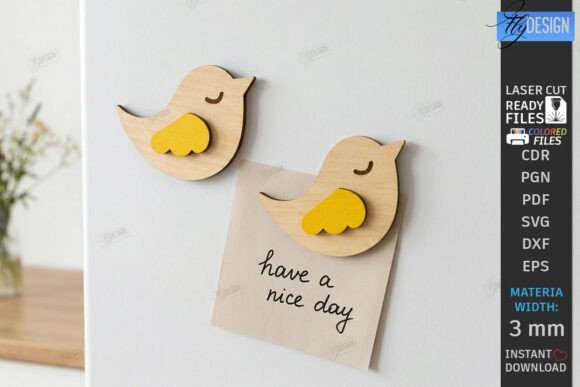
At its core, the Cute 3D Fridge Magnet Laser Cut Home is a collection of digital design files formatted for precision manufacturing equipment. Unlike pre-made decorations purchased in retail stores, this product provides the blueprint for creating custom items. The package typically includes multiple file formats—SVG, EPS, PNG, PDF, and DXF—to ensure compatibility with various design software and cutting machines. These files contain specific instructions for the laser cutter, distinguishing between areas that should be cut through the material and areas that should be engraved for detail.
A critical component of these designs is the color-coded line system used within the vector files. In this specific design set, red lines indicate where the machine should cut, while black lines indicate where it should engrave. This distinction allows for the creation of layered, three-dimensional effects on flat materials like plywood. By following these instructions, users can produce intricate shapes such as butterflies, birds, hearts, and animal figures that pop off the surface when assembled or viewed from an angle. The inclusion of "Home" and "Kids Room" themes suggests a focus on domestic decor, making it suitable for nurseries, kitchens, and offices.
Reasons for Interest and Potential Applications
Several factors drive interest in products like the Cute 3D Fridge Magnet Laser Cut Home design. For hobbyists, the appeal lies in the ability to create personalized gifts without the high cost of commercial manufacturing. Parents looking for nursery decor may find the whimsical animal and heart shapes particularly attractive for a child's room. Similarly, individuals seeking to add a touch of personality to their kitchen or office often turn to these types of wooden ornaments because they offer a warm, natural aesthetic that plastic alternatives cannot match.
Furthermore, the versatility of the design extends beyond simple magnets. While the primary intent is to create fridge magnets by attaching adhesive backing, the same files can be adapted for other uses. The 3D plywoods shapes can serve as standalone wall art, keychains, or even components for larger craft kits. The availability of different file formats ensures that whether a user works with Cricut, Silhouette, or industrial-grade laser systems, there is likely a format that will integrate smoothly into their workflow.
Benefits and Tradeoffs
Evaluating the benefits of using a digital laser cut file reveals several advantages. The primary benefit is customization. Users can choose the type of wood, the thickness of the material, and the finish, allowing for a level of control that mass-produced items do not offer. Additionally, the cost per unit is generally lower when producing in batches, making it a viable option for small businesses or craft fair vendors. The "laser ready" nature of the files saves time on design work, allowing the creator to focus on the assembly and finishing stages.
However, there are tradeoffs to consider. The most significant barrier to entry is the requirement for specialized equipment. To utilize the Cute 3D Fridge Magnet Laser Cut Home files effectively, one must own access to a laser cutter and have the necessary software to interpret the red and black line codes. Without this hardware, the digital files remain unusable. Furthermore, the quality of the final product depends heavily on the operator's skill in setting power and speed parameters. Incorrect settings can lead to burning the wood, incomplete cuts, or shallow engravings that lack visual impact.
Another consideration is the learning curve associated with post-processing. Once the pieces are cut and engraved, they often require sanding, staining, or painting to achieve a polished look. The "colorful" aspect mentioned in the product description implies that additional effort is needed to apply paint or dye if the natural wood finish is not desired. This adds time and material costs to the project, which must be factored into the decision-making process.
Situations Where This Design Is a Strong Fit
This digital product is an excellent fit for individuals who already possess a laser cutting setup and are looking to expand their portfolio of designs. It is particularly well-suited for:
- DIY Enthusiasts: Those who enjoy hands-on crafting and want to create unique home decor items for themselves or as gifts.
- Small Business Owners: Entrepreneurs running Etsy shops or local craft stalls who need scalable, high-quality designs for wooden products.
- Interior Designers: Professionals seeking custom, eco-friendly accents for client projects, especially in children's spaces or cozy home offices.
- Educational Settings: Schools or makerspaces teaching students about digital fabrication, where the clear distinction between cut and engrave lines serves as a practical lesson.
In these scenarios, the ability to produce consistent, professional-looking results quickly makes the investment in the file worthwhile. The specific themes of "Butterfly," "Bird," and "Heart" resonate well with audiences looking for soft, inviting aesthetics.
When Alternatives May Be Worth Considering
Despite its strengths, the Cute 3D Fridge Magnet Laser Cut Home may not be the right choice for everyone. If a potential buyer does not own a laser cutter and is unwilling to invest in one, purchasing pre-made magnets or exploring alternative crafting methods like die-cutting or paper crafts would be more practical. Die-cutting machines, for instance, can handle similar shapes but lack the capability to engrave details, resulting in a flatter appearance.
Additionally, if the goal is to produce a large volume of items rapidly for a major retail contract, the manual assembly required for these 3D wooden pieces might be too slow compared to injection-molded plastic or stamped metal options. The time-intensive nature of sanding, assembling, and magnetizing each piece individually limits scalability for high-volume production runs.
Users who require complex, multi-color illustrations directly on the wood might also find these files limiting. While the files support engraving, adding vibrant colors usually requires hand-painting or vinyl application, which may not align with a desire for fully automated production.
Practical Decision-Making Insights
Before acquiring the Cute 3D Fridge Magnet Laser Cut Home files, prospective users should verify their software compatibility. Since the design relies on specific color codes (red for cut, black for engrave), the design software used to send the job to the laser must support color-based operation layers. Most modern laser software handles this well, but older versions or specific proprietary systems may require adjustments.
It is also advisable to test the files on scrap material before committing to premium plywood. This trial run helps determine the optimal power and speed settings for the specific machine being used, ensuring that the red lines cut cleanly and the black lines engrave deeply enough to be visible without damaging the structural integrity of the piece.
Finally, consider the end-use environment. Wooden magnets are durable but can be susceptible to moisture and heat. Placing them in a kitchen near a stove or dishwasher might shorten their lifespan compared to placing them in a dry office or bedroom. Understanding these environmental factors helps in selecting the appropriate wood treatment and sealant to protect the finished product.
Ultimately, the decision to use this digital resource depends on balancing the desire for customization against the availability of tools and time. For those equipped to handle the process, the result is a charming, personalized decorative element that adds character to any space.