3D Kids Room Wall Name Sign Laser Cut: A Practical Guide to Creation and Installation
Transforming a nursery or child's bedroom often involves balancing aesthetic vision with practical execution. One of the most effective ways to personalize these spaces is through the use of a 3D Kids Room Wall Name Sign Laser Cut. Unlike flat decals or simple printed letters, these layered designs add depth, texture, and a professional finish that elevates the entire room's atmosphere. For makers, small business owners, and DIY enthusiasts, understanding the workflow from digital file to physical installation is essential for achieving high-quality results.
This guide explores the integration of laser-cut name signs into broader creative and business workflows. It covers the technical specifications of the files, the machinery required, the preparation process, and the final application, ensuring that every step aligns with efficiency and quality standards.
Understanding the Digital Assets and File Formats
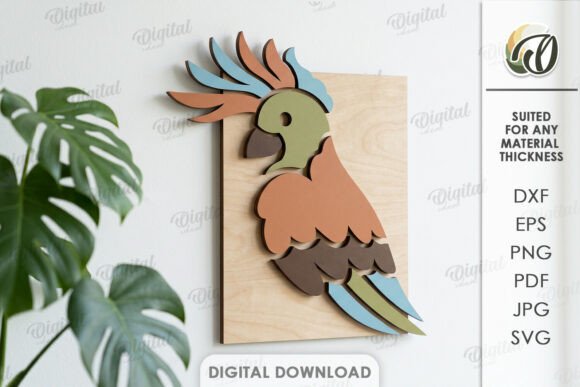
The foundation of any successful laser cutting project lies in the quality and compatibility of the digital source files. The product described offers a comprehensive suite of formats designed to streamline the production process. When you acquire a Kids Room Name Sign Laser Cut Personalized Nursery Wall Decor Designs, you are typically receiving a zip archive containing multiple file types: SVG, EPS, PNG, PDF, and DXF.
Each format serves a specific purpose within the workflow:
- SVG (Scalable Vector Graphics): This is the primary file for modern laser cutting software like LightBurn or SureCutsAGain. It maintains vector integrity at any scale, ensuring crisp edges on the cut lines.
- EPS (Encapsulated PostScript): Often used by professionals working in Adobe Illustrator or CorelDRAW, this format preserves complex paths and layers for advanced editing before sending to the machine.
- DXF (Drawing Exchange Format): A standard for CAD software, useful if your laser cutter relies on industrial-grade control systems.
- PNG and PDF: These raster and document formats serve as visual previews. They allow you to visualize the design on a screen before committing materials, aiding in decision-making regarding color schemes and layout.
For creators who require alternative file types or specific resolutions for mockups, the flexibility to request custom formats ensures that the asset fits seamlessly into existing toolchains. This adaptability is crucial for entrepreneurs who may need to produce marketing materials alongside the physical product.
Machinery Compatibility and Software Configuration
Before initiating the cutting process, it is vital to verify that your hardware and software can interpret the provided files correctly. The 3D Kids Room Wall Name Sign Laser Cut is specifically optimized for Glowforge and similar CO2 laser machines. However, compatibility extends to other brands provided the software can read vector data.
A critical aspect of the setup involves understanding the line coding within the vector files. In this specific design set, the instructions are clear: RED lines indicate CUT operations, while BLACK lines indicate ENGRAVE operations.
Configuring your software to recognize these color codes is a fundamental step in the workflow. If your software defaults to cutting all lines regardless of color, the result will be a ruined material. You must assign specific power, speed, and frequency settings to each color layer. For example, the red cut lines usually require higher power to slice through wood or acrylic, whereas the black engrave lines need lower power to etch details without burning through the material.
Testing these settings on a scrap piece of material is a non-negotiable part of quality control. This "test run" phase prevents waste and ensures that the intricate details of themes like Rainbow Fairy Woodland Sports Theme Signs or Hot Air Balloon Whale Train Racing Car Designs are rendered accurately.
Material Selection and Thematic Integration
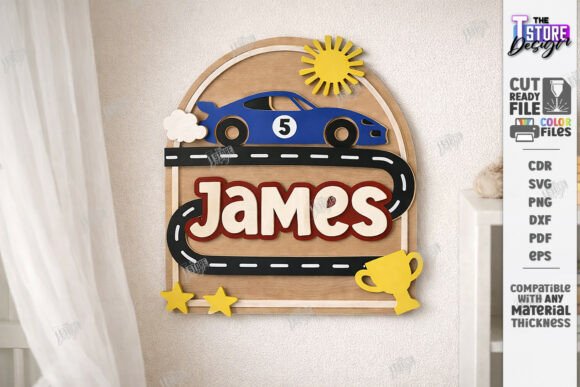
The versatility of a Baby Name Door Hanger SVG or wall sign allows for significant customization based on the room's theme. Whether the goal is a whimsical woodland scene, a sporty racing car motif, or a serene hot air balloon landscape, the choice of material dictates the final look.
Common materials include birch plywood, MDF, and acrylic. Birch plywood is often preferred for its natural grain and ease of cutting, making it ideal for rustic or woodland themes. Acrylic offers a glossy, modern finish suitable for rainbow or fairy-themed signs where light reflection adds to the effect. For a Glowforge Ready Cut Files 3D Layered Name Plate, using different thicknesses of material for each layer creates the signature 3D pop.
When planning the project, consider the following factors:
- Layer Count: Determine how many layers are needed to achieve the desired depth. More layers mean more time spent cutting and assembling but result in a more premium product.
- Color Coordination: Plan the paint or stain colors before cutting. Some designs work best when the base layer is painted first, while others benefit from pre-painted materials.
- Theme Consistency: Ensure the chosen design aligns with the existing decor. A racing car sign should complement a sports-themed room, while a whale design fits perfectly in an ocean-inspired nursery.
This strategic selection process ensures that the final product is not just a standalone object but an integral part of the room's narrative.
Assembly, Finishing, and Quality Control
Once the pieces are cut and engraved, the assembly phase begins. The Custom Nursery Gift SVG designs often involve stacking multiple layers. Precision is key here; misaligned layers can ruin the visual impact of the 3D effect.
Use strong adhesives suitable for wood or plastic, such as epoxy or specialized craft glue. Apply the adhesive evenly and press the layers together firmly, allowing adequate drying time before handling. For added durability, especially in high-traffic areas like door hangers, consider reinforcing the back with mounting hardware.
Quality control should be applied at every stage. Inspect the cut edges for burn marks or roughness. Sanding may be necessary to smooth out imperfections, particularly on wooden pieces. If the design includes engraved text, check that the contrast is visible and the lettering is legible. This attention to detail distinguishes a professional-grade product from a hobbyist attempt.
Installation and Long-Term Use
The final step in the workflow is installation. A 3D Layered Name Plate for Kids can be mounted directly on the wall using command strips for a damage-free option, or screwed into studs for heavier signs. For door hangers, ensure the hanging mechanism is secure and balanced so the sign does not tilt.
Long-term usability depends on the materials and finishes used. UV-resistant varnishes can protect wooden signs from fading in sunlit rooms. Regular dusting with a soft cloth will maintain the appearance of the sign over years of use. By following these maintenance practices, the sign remains a cherished part of the nursery or child's room.
Integrating the Workflow into Business or Creative Practice
For entrepreneurs and small business owners, mastering the production of these signs opens up a viable revenue stream. The ability to offer personalized items like Kids Room Name Sign Laser Cut Personalized Nursery Wall Decor Designs caters to a market seeking unique, handmade gifts.
Efficiency in this workflow comes from batching tasks. Instead of cutting one sign at a time, organize orders by material type and design complexity. Prepare all digital files in advance, ensuring that the red and black line assignments are correct for each batch. This systematic approach reduces setup time and maximizes machine runtime.
Furthermore, maintaining a library of tested settings for different materials and machines streamlines future projects. Documenting what works—such as the optimal power settings for engraving on 3mm birch versus 5mm acrylic—creates a valuable resource that improves consistency and reduces errors.
By treating the creation of a 3D Kids Room Wall Name Sign Laser Cut as a structured process involving planning, execution, and review, creators can deliver high-quality products that meet customer expectations. Whether for personal use or commercial sale, the combination of precise digital files, compatible machinery, and careful craftsmanship ensures a successful outcome.