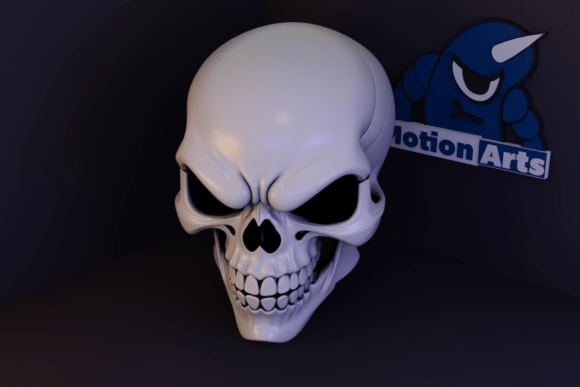
Pirate Skull 3D Model for 3D Printing
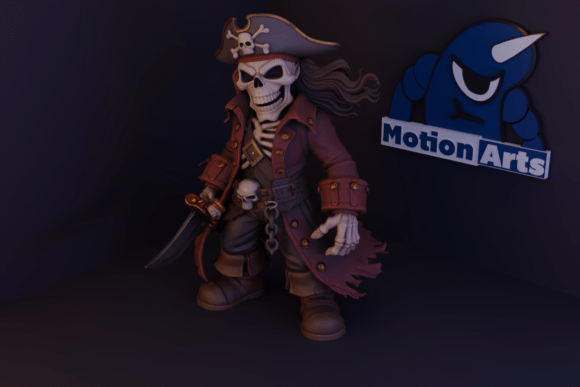
In the realm of visual storytelling, few symbols command as much immediate recognition and narrative weight as the pirate skull. When translated into a tangible form, such as a Pirate Skull 3D Model for 3D Printing, this icon transcends its two-dimensional origins to become a powerful tool for designers seeking to inject attitude, history, and rebellion into their projects. For graphic designers, marketers, and creative directors, understanding how to leverage such distinct assets is crucial for building a brand identity that resonates on both digital and physical planes.
The Intersection of Physical Assets and Visual Design
While the primary function of a 3D printable file is manufacturing, its value extends deeply into the strategic layers of graphic design and branding. A well-crafted model like this stylized cartoon pirate skull offers more than just a decorative object; it serves as a source of design inspiration and a testbed for visual hierarchy. The clean volumes and stable structure mentioned in the technical specifications ensure that the design remains legible even when scaled down or rendered from various angles, a principle directly applicable to logo design and iconography.
When integrating such bold imagery into a brand identity, consistency is key. The rebellious aura of the seven seas can be harnessed to create marketing campaigns that stand out in a crowded marketplace. Whether used as a centerpiece for a product launch or as a thematic element in packaging design, the pirate skull communicates adventure and exclusivity instantly. This immediate emotional connection is vital for digital marketing strategies aiming to capture attention within seconds.
Practical Applications Across Creative Disciplines
The versatility of this asset allows it to bridge the gap between physical merchandise and digital experiences. Here are several ways professionals can utilize the aesthetic principles found in this model:
- Branding and Logo Design: Use the strong lines and balanced composition of the skull to inform vector-based logos that maintain clarity at any size.
- Social Media Graphics: Create high-impact visuals for platforms like Instagram or TikTok, where bold imagery drives engagement and shares.
- Editorial Design: Incorporate the motif into magazine layouts or book covers to establish a specific tone for adventure or mystery genres.
- Web and UI Design: Adapt the character's expression for custom cursors, loading animations, or interactive elements that enhance UX design.
- Merchandise and Packaging: Leverage the 3D nature of the asset to create die-cut boxes, embossed textures, or limited-edition collectibles.
Evaluating Design Quality and Usability
For a designer, selecting the right creative asset involves looking beyond the surface. The Pirate Skull – 3D Model for Printing is noted for its lack of excessive fragile details, which is a critical factor in print design and production. In graphic terms, this translates to a design that prioritizes readability and impact over unnecessary complexity. When applying this philosophy to your own creative projects, consider how simplifying elements can improve visual communication without losing the core message.
Furthermore, the "cartoon" style of this model highlights the importance of modern aesthetics in reaching broader audiences. Stylization often bridges the gap between niche interests and mass appeal, making it an excellent choice for advertising campaigns targeting younger demographics or gaming communities. By analyzing the color palette and contrast inherent in the design, creators can develop cohesive themes that work seamlessly across web design interfaces and physical print materials.
Strategic Implementation Tips
To maximize the impact of such a strong visual element, designers should focus on integration rather than isolation. Ensure that the typography accompanying the image complements the rugged, adventurous feel of the skull. Serif fonts with sharp edges or distressed sans-serifs often pair well with this theme. Additionally, consider the context of use; a pirate skull might convey danger in one campaign but fun and whimsy in another, depending on the surrounding color palette and layout.
Scalability is another non-negotiable aspect. Just as the 3D model requires support structures for printing, your digital assets need robust file formats and vector capabilities to ensure they look professional on everything from a business card to a billboard. Always test your design workflow by viewing assets in different environments to guarantee they maintain their integrity and intended message.
Ultimately, the power of a symbol like the pirate skull lies in its ability to evoke a story before a single word is read. By thoughtfully incorporating high-quality creative assets into your branding strategy, you elevate not just the aesthetics of your work, but the entire user experience. Whether you are designing a logo, crafting a social media post, or producing physical goods, the deliberate choice of visual elements defines the professionalism and memorability of your brand.