Understanding the 3D Travel Spice Box Laser Cut: A Practical Guide for DIY Enthusiasts
The landscape of home organization and culinary accessories has shifted significantly in recent years, moving away from mass-produced plastic containers toward personalized, sustainable solutions. Among the most popular projects for makers and hobbyists is the 3D Travel Spice Box Laser Cut. This digital design file represents a specific category of do-it-yourself (DIY) crafting that allows individuals to create compact, portable storage units using precision-cut materials. Unlike purchasing a pre-assembled product, this approach requires the user to download a set of vector files and utilize laser cutting technology—or send them to a service bureau—to fabricate the physical object.
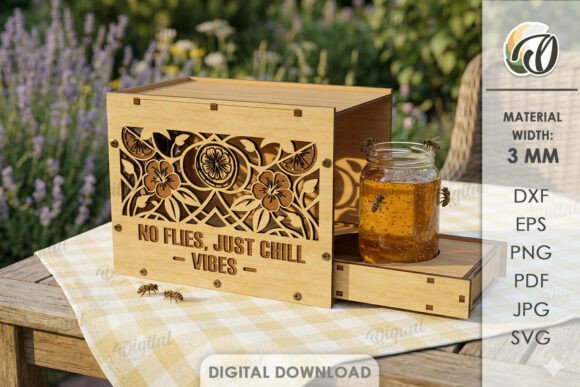
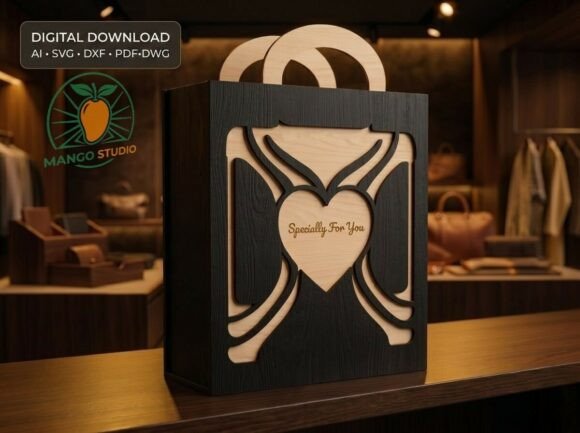
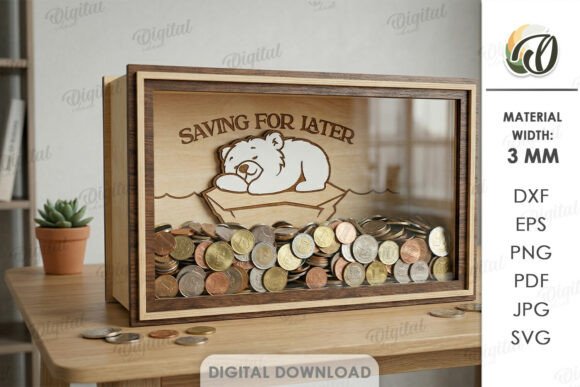
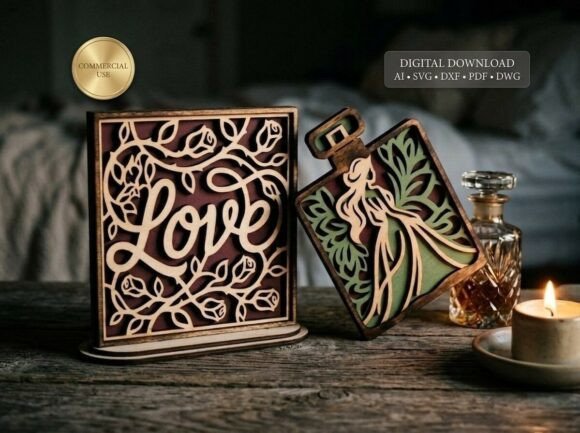
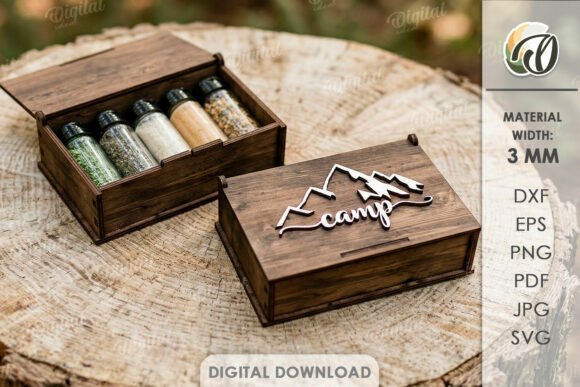
It is crucial to clarify the nature of this purchase immediately: the 3D Travel Spice Box Laser Cut is a digital product. No physical goods are shipped. The visual references provided in listings serve solely as inspiration for what can be achieved with the included files. Upon purchase, the buyer receives a zip folder containing one design available in SVG, DXF, EPS, PDF, JPEG, and PNG formats. Understanding this distinction is the first step in evaluating whether this resource fits your specific needs and technical capabilities.
Defining the Digital Fabrication Approach
At its core, the 3D Travel Spice Box Laser Cut design is a blueprint for assembly. It utilizes interlocking tabs and slots engineered to fit together without the need for glue or screws, relying on the friction and structural integrity of the material itself. The design is specifically optimized for a material width of 3mm, a thickness that offers a balance between durability and flexibility during assembly. This specification is not arbitrary; 3mm plywood, acrylic, or MDF provides enough rigidity to hold spices securely while remaining light enough for travel.
The versatility of the file formats included—SVG for vector editing, DXF for CAD software, and raster formats like JPEG and PNG for previewing—ensures compatibility with a wide range of software ecosystems. Whether you use LightBurn, CorelDRAW, Adobe Illustrator, or Inkscape, these files are structured to minimize setup time. However, the "digital" aspect means the final quality depends entirely on the machine settings and the material chosen by the user. This shifts the role of the consumer from a passive buyer to an active creator, offering a level of customization that factory-made alternatives simply cannot match.
Comparing Digital Files to Pre-Made Alternatives
When evaluating options for spice storage, consumers generally face a choice between buying a finished product off the shelf or engaging in a DIY project using a 3D Travel Spice Box Laser Cut file. Each path offers distinct advantages and tradeoffs that must be weighed against personal goals, budget, and available resources.
Pre-made commercial spice boxes are widely available in various retail environments. They typically come in plastic, metal, or pre-finished wood. The primary benefit is convenience; the product arrives ready to use. However, these items often suffer from generic designs, limited size variations, and materials that may not align with eco-friendly values. Plastic containers, for instance, can degrade over time when exposed to essential oils found in certain spices, potentially affecting flavor profiles. Furthermore, the aesthetic is fixed, leaving little room for personalization beyond choosing a color.
In contrast, the 3D Travel Spice Box Laser Cut approach prioritizes customization and material selection. By providing the digital files, the user gains control over every aspect of the final product. You might choose birch plywood for a warm, natural look, or black acrylic for a modern, industrial aesthetic. If you have access to a laser cutter, the cost per unit is significantly lower than buying a high-quality wooden box from a retailer. Even if you outsource the cutting to a local maker space or online service, the ability to modify the design slightly—such as adjusting dimensions to fit specific spice jars or adding custom engravings—adds value that mass production cannot replicate.
However, the DIY route introduces a barrier to entry. It requires either ownership of a laser cutter and the technical know-how to operate it safely, or the financial outlay to hire a cutting service. Additionally, there is a time investment involved in downloading, setting up, cutting, sanding, and assembling the pieces. For someone who needs a solution immediately and lacks crafting experience, a pre-made option remains the more practical choice.
Evaluating Material Requirements and Durability
A critical factor in the success of any 3D Travel Spice Box Laser Cut project is the material selection. The design specifications explicitly state a requirement for 3mm material thickness. Deviating from this recommendation can compromise the structural integrity of the box. Materials that are too thin may warp or fail to hold the tension required for the tab-and-slot joints, while materials that are too thick may prevent the pieces from fitting together at all.
Plywood, particularly Baltic birch, is the most common choice for this application. It offers excellent strength-to-weight ratios and clean edges after laser cutting. The layered construction of plywood also helps prevent warping, which is essential for a travel container that may be subjected to varying temperatures and humidity levels. MDF (Medium Density Fiberboard) is another option, offering a smooth surface ideal for painting or staining, though it tends to be heavier and less resistant to moisture unless sealed properly.
Acrylic presents a different set of characteristics. While it creates a visually striking, transparent container that allows users to see contents at a glance, it requires different laser settings to avoid melting rather than cutting. Acrylic is also more brittle than wood; if dropped, it is more likely to crack. When considering the 3D Travel Spice Box Laser Cut for travel, the durability of the material becomes a primary decision factor. Wood generally withstands the rigors of packing better than clear plastics, which can scratch easily.
Furthermore, food safety is a consideration. Since the box will hold spices, ensuring that the finish used is non-toxic and food-safe is mandatory. Raw wood may require sealing with mineral oil, beeswax, or a food-grade polyurethane to protect against moisture and oils from the spices. This post-processing step adds time to the project but ensures the longevity and safety of the final product.
Use Cases and Best-Fit Scenarios
The 3D Travel Spice Box Laser Cut is particularly well-suited for specific scenarios where standard kitchen organization falls short. Its compact, modular design makes it an ideal solution for travelers who wish to maintain their culinary identity while on the road. Instead of relying on hotel kitchens or airport convenience stores, a traveler can carry a curated selection of their favorite spices in a lightweight, durable container that fits easily into a backpack or suitcase.
Beyond travel, this design serves as an excellent organizational tool for small kitchens, RVs, or office pantries where counter space is at a premium. The vertical stacking capability of many laser-cut spice box designs maximizes volume efficiency. For crafters and gift-givers, the digital nature of the product opens up endless possibilities. Because the files are editable, one can create matching sets for housewarmings, weddings, or corporate gifts, engraving names or logos directly onto the wood or acrylic before assembly.
However, this solution may not be the right choice for everyone. If you lack access to a laser cutter and find the cost of outsourcing prohibitive, the total expense might exceed that of a simple plastic organizer. Similarly, if you require a solution that is completely waterproof for outdoor camping in wet conditions, a sealed metal or high-density plastic container might offer superior protection compared to wood, even when treated. The 3D Travel Spice Box Laser Cut is best viewed as a middle ground: more robust and customizable than plastic, but requiring more effort and care than a sealed metal tin.
Technical Considerations for the End User
For those deciding to proceed with the 3D Travel Spice Box Laser Cut files, understanding the workflow is essential. The process begins with extracting the zip folder and selecting the appropriate file format for your software. SVG and DXF files are preferred for actual cutting as they preserve the vector paths necessary for precise laser guidance. Once the file is loaded, the operator must calibrate the laser power and speed based on the specific type and thickness of the material being used. A test cut on a scrap piece is always recommended to ensure the kerf (the width of the cut) is accounted for in the assembly.
Assembly is typically intuitive due to the friction-fit design, but patience is key. Some pieces may require slight tapping with a rubber mallet to seat the joints fully. Sanding the edges after cutting removes any char marks left by the laser, improving both the aesthetics and the tactile feel of the box. Finally, applying a protective finish seals the material and enhances its resistance to wear and tear.
In conclusion, the 3D Travel Spice Box Laser Cut represents a shift toward personalized, sustainable manufacturing in the realm of kitchen accessories. It offers a compelling alternative to mass-produced goods for those willing to engage with the creation process. By weighing the benefits of customization and material quality against the requirements of time, technical skill, and equipment, potential buyers can make an informed decision about whether this digital resource aligns with their lifestyle and creative goals. Whether for personal use, travel, or gifting, the possibilities for creation are indeed endless, limited only by the imagination and resources of the maker.